
Slugging Skincare UK 2026: When The TikTok Petroleum Trend Helps British Skin (And When It Makes Things Worse)
Slugging skincare UK shoppers have been asking about since 2022 is finally hitting the awkward stage every viral routine eventually reaches: the one where it has been around long enough for people to notice it is not working on everyone. Pull open the average British bathroom cabinet in 2026 and you will find two things you would not expect to coexist. The first is a tin of plain Vaseline, often the same one nan used to keep on the windowsill. The second is a phone propped against the mirror, mid-scroll, showing a 19-year-old in Seoul or Stratford explaining why the Vaseline is the secret final step of her nightly skincare routine. The same petroleum jelly the NHS prescribes by the kilogram for eczema has been quietly rebranded by TikTok into a skincare hack with its own verb. The verb is slugging, and after four years of viral life it has moved from curiosity into routine. The question now is not what it is. It is whether you should actually be doing it, and on which nights.
In This Article
- What slugging actually means now
- The 98 percent number – and what it actually means for your skin
- The skin types it genuinely helps
- Where it goes wrong on British skin
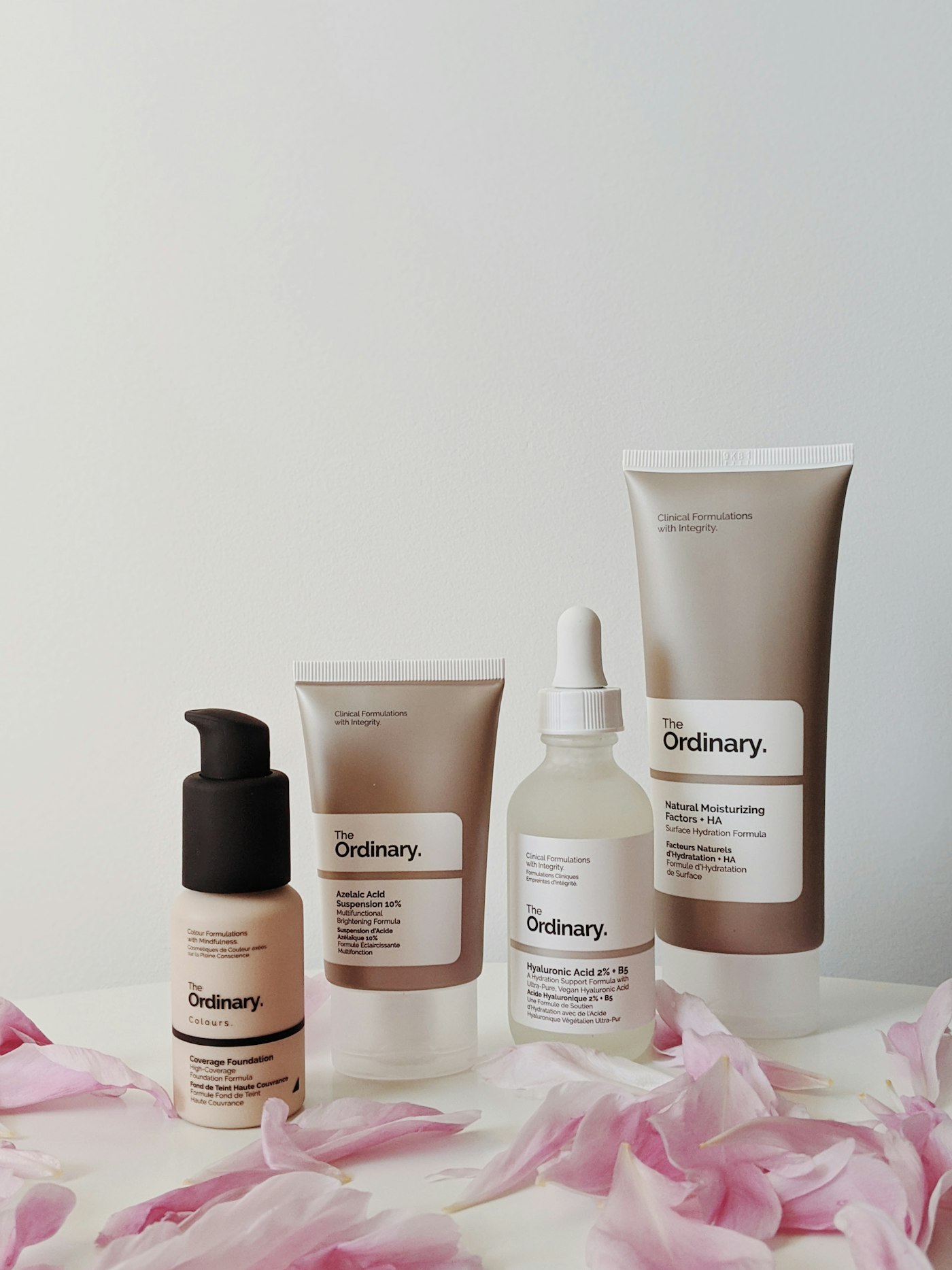
- Vaseline versus Aquaphor versus CeraVe – what the labels actually say
- How to slug without ruining your skin
- The summer question – and a few honest exceptions
- The verdict on slugging skincare UK shoppers should hear
This is not one of those skincare trends that turns out to have been invented entirely by a content creator. Slugging has dermatological roots that go back decades. But like a lot of things that travel from a clinic to a phone screen, the version most people are now copying has lost a few important footnotes along the way. Some skin types will get the glassy, calm, hydrated face the videos promise. Others will wake up with congestion, breakouts, or a slick of yeast-friendly grease that makes a borderline complexion noticeably worse within a week. Knowing which category you are in matters more than knowing which jar to buy.
What slugging actually means now
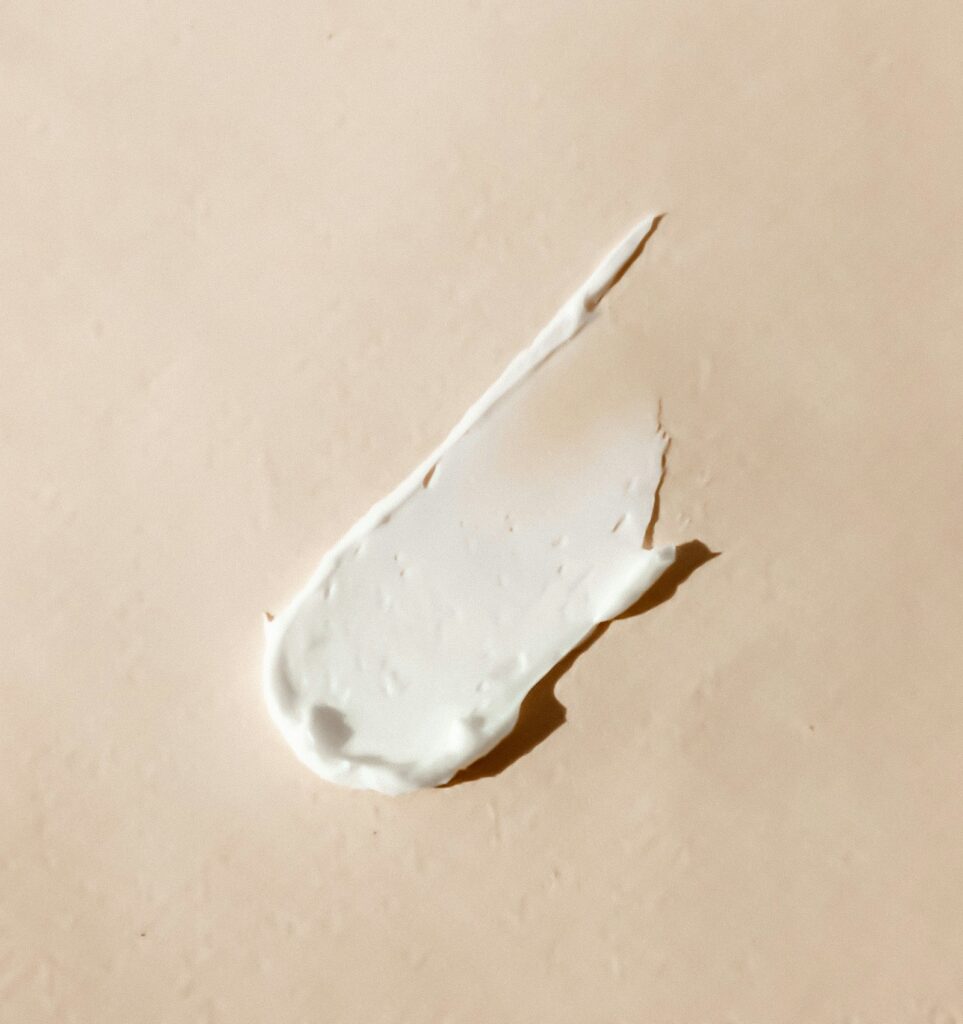
In its TikTok-era definition, slugging skincare UK users are practising is straightforward: cleanse, do your usual serums or moisturiser, then seal everything in with a thin layer of a petrolatum-based occlusive as the final step of your nighttime routine. The name comes from the slightly grim shine the technique leaves on your face when you go to bed – the comparison is to a slug’s trail. The point of the technique is not to add anything new to the skin. It is to stop what is already there from evaporating overnight.
The petrolatum part is what makes it work, and also what makes it controversial. Petroleum jelly, white soft paraffin, “petrolatum” – they are all roughly the same thing on the ingredient list: a semi-solid mix of hydrocarbons derived from refined petroleum. The NHS describes this exact ingredient as the workhorse of UK emollient prescribing, used to manage eczema, dermatitis and very dry skin. Guy’s and St Thomas’ NHS Foundation Trust note that ointments based on white soft paraffin are ideal for very dry or thickened skin and for night-time application, and do not usually contain preservatives – the medical phrasing for “boring, safe, effective”. The TikTok version is the same ingredient, used on different skin, for different reasons.
The distinction is important because most of the warnings that get attached to slugging are about the second thing, not the first. Petrolatum on a dry, barrier-damaged face is one conversation. Petrolatum on an oily, congested, summer face is a different conversation. Both deserve to be had.
The 98 percent number – and what it actually means for your skin
One statistic does most of the work in slugging’s promotional life. Petrolatum, when applied as an occlusive layer, reduces transepidermal water loss by up to 98 to 99 percent. That figure comes from a body of clinical work going back to the 1990s and has been repeated in the modern dermatology literature consistently enough that it is no longer disputed. It is what every other occlusive on the market – shea butter, dimethicone, lanolin, ceramides in heavy creams – is benchmarked against.
Transepidermal water loss, or TEWL, is the rate at which water evaporates out of your skin through the outermost layer. It is happening constantly and quietly. When your skin barrier is intact, TEWL is low and your skin holds onto moisture without help. When the barrier is damaged – by over-cleansing, retinoids, exfoliating acids, harsh weather, central heating, or simply by being more than 50 years old – TEWL rises. Skin gets tight, flaky and reactive. The 98 percent reduction figure is meaningful because it describes how completely petrolatum stops that leak.
The often-overlooked part of this is what it does not do. Petrolatum is not a moisturiser in the active sense. It does not hydrate the skin, plump cells, or add water to the stratum corneum. It is a one-way door that keeps water in. If your skin already has enough water under that door, slugging works. If it does not – if you slugged onto skin that was already dehydrated and then locked nothing in – you will wake up no better off, possibly worse, because the trapped warmth has invited other tenants in.
The skin types it genuinely helps
British dermatologists tend to be cautious about TikTok skincare trends, which has the effect of making the ones they actually approve of stand out. Slugging falls into a small group of viral techniques that have a defensible clinical case for the right person. The London Dermatology Centre list slugging among the trends with genuine dermatological roots, noting it has been used in clinics for years to support healing skin after procedures and to manage compromised barriers.
Three groups in the UK reliably benefit. First, anyone with genuinely dry skin – skin that is rough, tight, and prone to flaking, particularly in winter or after long-haul flights. Second, anyone whose barrier is currently compromised by active treatment: a course of tretinoin, a recent peel, a string of windburn days, or an inflammatory flare. Third, post-menopausal skin, which produces less sebum and benefits from being mechanically sealed at night in a way that younger faces do not. Our piece on rebuilding your skincare routine when oestrogen drops covers the wider barrier story for this group, and slugging is a small, sensible part of it.
If you are in one of those three groups, slugging is the cheapest, most boring, most effective thing on your shelf. A £2.50 tub of Vaseline does what a £45 night cream is reaching for, with fewer ingredients in the way.
Where it goes wrong on British skin
The problem is that the people most attracted to slugging on TikTok are often not in any of those three groups. They are in their late teens to early thirties, have oily or combination skin, and are looking for the dewy, plumped-up appearance the videos promise. On their skin, the technique does something different.
Petrolatum is technically non-comedogenic in the formal sense – it does not block pores in the way that triggers traditional bacterial acne. This claim is true enough that it appears on the safety data sheet. It is also, in practice, misleading. Most British dermatologists who treat acne will tell you that “non-comedogenic” tested in a controlled cosmetic study and “non-breakout-causing” on a real congested face under a duvet are not the same thing. ProDerm UK and other London-based clinics have been blunt about this in their TikTok-trend roundups: petroleum jelly is, for many oily and combination skin types, simply too rich to be the last thing on the face at night.
The second, more specific problem is fungal acne, or Malassezia folliculitis. This is the condition that causes small, uniform, itchy pustules – often on the forehead, chest or back – and is often misdiagnosed as ordinary acne. It is caused by an overgrowth of a yeast that lives on everyone’s skin and that flares when conditions are warm, moist and occluded. Slugging in summer creates exactly those conditions. Anyone who has ever wondered why their forehead breaks out in a uniform rash of tiny bumps a week into a slugging streak should consider this as the explanation. The yeast does not eat petrolatum, but it loves the greenhouse it builds.
The third group to be wary are people layering slugging on top of retinoids or exfoliating acids. Petrolatum’s occlusive effect does not just trap water – it can intensify the action of any active product underneath. Layered over a strong retinoid on a Tuesday night, slugging can turn a tolerable routine into one that leaves you flaky and stinging by Friday. The Medscape coverage of slugging from the trend’s earliest moment flagged this, and it has not gone away.
Vaseline versus Aquaphor versus CeraVe – what the labels actually say
The three products that dominate the UK slugging conversation are Vaseline Original, Aquaphor Healing Ointment and CeraVe Healing Ointment. They are not the same thing, and the choice between them affects whether slugging works for you.
Vaseline Original is 100 percent white petrolatum. Nothing else. This is what the NHS dispenses under the generic name. It is the purest, cheapest, most predictable option, and the one to choose if you have any allergic or reactive history – there is genuinely nothing in there to react to.
Aquaphor Healing Ointment is around 41 percent petrolatum, blended with mineral oil, ceresin, lanolin alcohol, panthenol and glycerin. The lanolin makes it slightly more emollient and slightly more allergenic – around one in fifty people react to lanolin, often without knowing why – but it is more pleasant to apply and absorbs slightly more readily. If you find pure Vaseline too thick to bear, Aquaphor is the obvious step down.
CeraVe Healing Ointment sits in the same category but adds ceramides and hyaluronic acid to the mix. The petrolatum percentage is similar to Aquaphor’s. The added ceramides give a marginal barrier-repair benefit, which is theoretically appealing, though the practical difference between this and Aquaphor on most British skin is small. If you already use CeraVe products and want consistency, it is fine. If you do not, you are paying a brand premium for ceramides that other parts of your routine could be delivering anyway. The piece on beta glucan for reactive skin covers cheaper, more targeted barrier ingredients worth knowing about.
None of these are magic, and none are dangerous. The honest answer to which one you should use is the cheapest one, applied less often than the videos suggest.
How to slug without ruining your skin
If you have decided you are in one of the groups slugging suits, there is a way to do it that keeps the benefits and trims the risk. Five rules cover most of it.
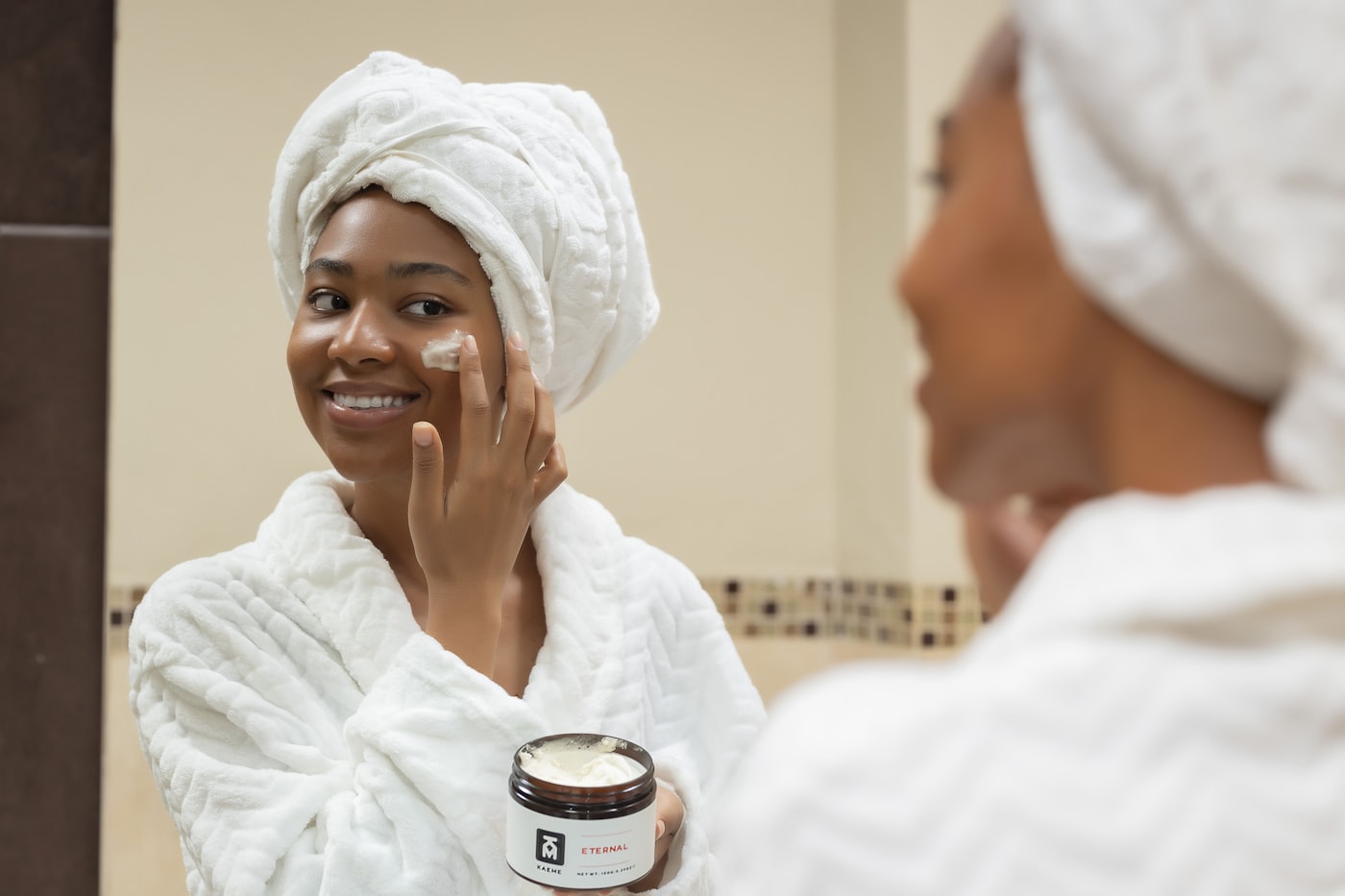
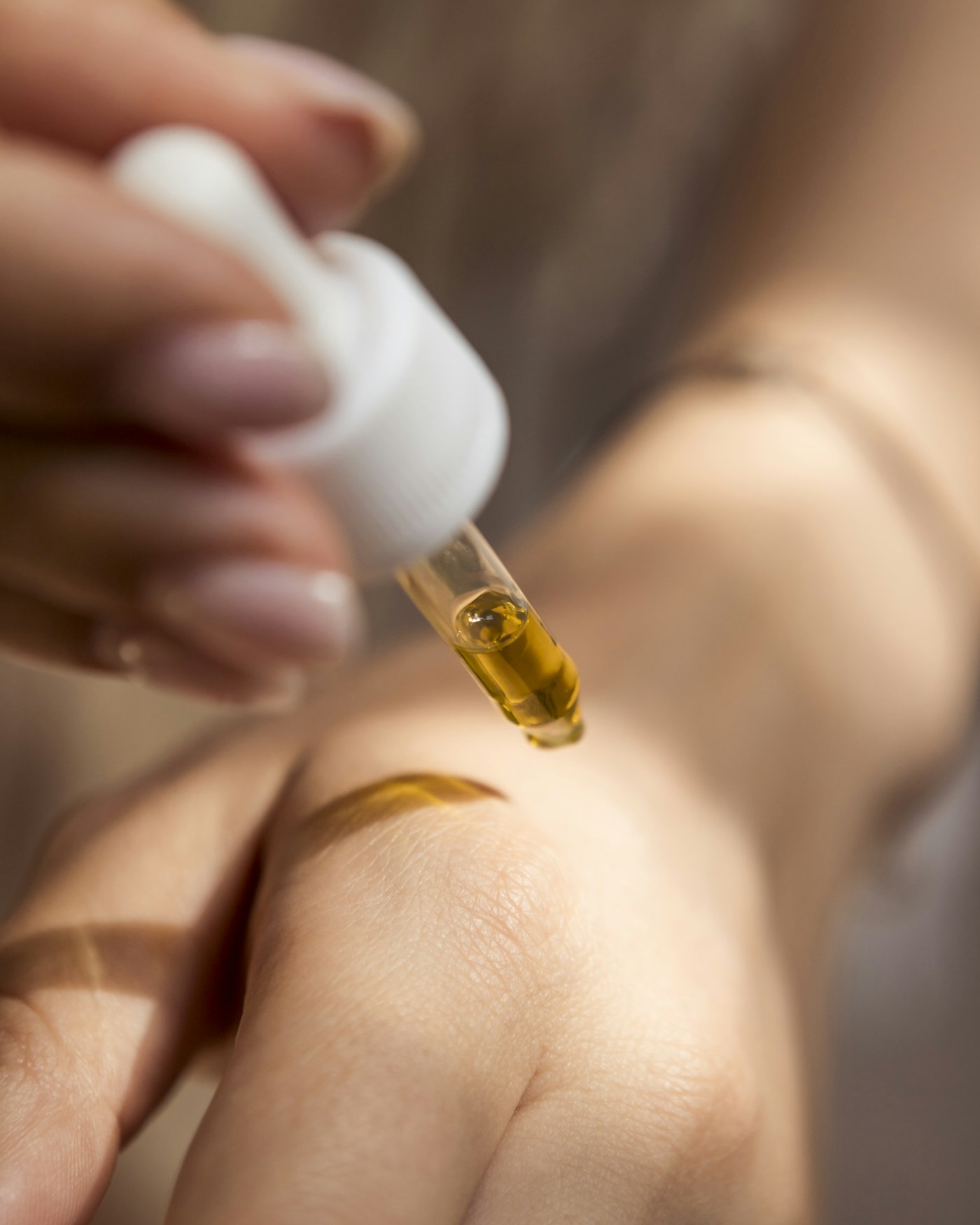
Slug onto damp, not dry, skin. The occlusive only locks in what is there. If you have just towelled your face bone-dry, you are sealing in nothing. Press your serum or hydrating toner in, leave the moisturiser slightly tacky, then apply a thin layer of petrolatum on top while there is still product underneath to be trapped.
Use less than you think. A pea-sized amount is enough for a whole adult face. The shiny look from the videos comes from using far too much, which is also where the pillowcase damage and the congestion problems start. Press it on, do not rub it in.
Skip the active layer below. Do not slug on the same night as a retinoid, an AHA or BHA exfoliant, or any prescription topical unless your dermatologist has specifically told you to. The risk of irritation is not worth the small extra hydration. Save slugging for the off-nights between actives – in a typical week, that might mean two or three slug nights, not seven.
Choose a clean pillowcase. Petrolatum will mark cotton and is harder to wash out than people assume. Either dedicate a slugging pillowcase you change every two days, or accept that you will be replacing your good linen sooner. There is also a small but real fire risk to be aware of – the NHS attaches a standard warning to all paraffin-based emollients that residue on bedding and clothing is flammable. It is not common, but it is worth not smoking or lighting candles in a bedroom where slug residue has built up on the sheets.
Stop in summer if your skin is oily or combination. The UK climate is mild enough that winter slugging is genuinely useful for many people, and the dry, wind-burned early-spring skin of March and April benefits too. By the time you are at the end of May, the combination of warmer nights, more sweat, and a higher Malassezia load on the skin tips the cost-benefit the other way for most younger faces. Pause it for June, July and August. Pick it up again in October.
Body slugging is a separate conversation – if bumpy, post-shave legs are your summer complaint, our piece on strawberry legs explains why most body lotions cannot fix them.
The summer question – and a few honest exceptions
The seasonal advice above is the default, not the rule. There are British summer scenarios in which slugging earns its keep even in July. Sunburn recovery is the obvious one: a peeling nose or shoulders left by a long afternoon in the garden will heal faster sealed under petrolatum than left exposed to air conditioning indoors. Our guidance on the best daily SPF face creams for the British weather is the prevention side of that conversation; slugging is the repair side.
A second exception is for anyone whose skin is genuinely dry year-round, often a combination of genetics, perimenopause and long-haul work travel. For this group, the typical British heatwave does not flip dry skin into oily skin; it just adds heat to an already-dehydrated face. Continuing to slug, with smaller amounts and on cleaner pillowcases, is fine.
The third exception is for people in active treatment for rosacea or eczema flares, where a dermatologist has actively recommended an occlusive seal at night. The advice from a UK clinic always overrides the advice from a 30-second video. The piece on what is actually setting off British rosacea covers the wider trigger map for that condition, and an evening slug is one of the few interventions that consistently helps the right subset.
The verdict on slugging skincare UK shoppers should hear
Slugging is not a hack and it is not a miracle. It is a hundred-year-old occlusive technique with strong, replicable evidence behind it, currently being recommended by an algorithm that does not know your skin type. For the dry, the post-menopausal, the windburned, the over-exfoliated and the sunburned, it is one of the best £2.50 a high street can sell you. For the oily, the congested, the acne-prone, the fungal-acne-prone and the sweaty summer commuter, it is a quietly counterproductive habit that will make the skin look slightly worse over a fortnight than no intervention at all.
The TikTok version of this advice is too binary in both directions – either slugging is the secret to glass skin or it is destroying your barrier. Neither is true. The honest answer is that it is a tool, not a routine, and the people getting the most out of it are reaching for it three nights a week in February rather than seven nights a week in July.
One more thought worth holding onto. The fact that the most successful skincare trend of the last four years is a £2.50 tub of unscented hydrocarbon should be quietly reassuring. It suggests that the gap between what an expensive serum can do and what a basic occlusive can do is smaller than the industry would like, and that British skin in 2026 is not, on the whole, suffering from a shortage of ingredients. It is suffering from too much of everything, applied too often, in too many layers. The honest fix is usually fewer products, not more. Our piece on the extremophile molecule calming sensitive British skin covers one of the few additions that genuinely earns its place in a stripped-back routine.
If you have been slugging every night since New Year and your skin has started to look congested rather than glowy, the most useful thing you can do this week is stop for a fortnight, do not panic-replace it with anything fancier, and see what your face does on its own. Have you noticed a ch
For a layer that sits well over an occlusive routine, see our pick of the British sunscreen brands holding their own against the imports in 2026.
If you are experimenting with more active textures, our piece on spicule skincare covers the spiky exfoliating trend and whether it earns a place in your routine.
Slugging seals moisture in; if you want an active that claims to rebuild the barrier rather than just trap it, our look at PDRN skincare weighs the evidence.
And if your barrier trouble arrived alongside hot flushes rather than cold weather, our guide to menopause skincare explains why oestrogen changes the rules.
If barrier repair is your goal, the newer science around PDRN skincare is worth a look before you commit to a routine.