
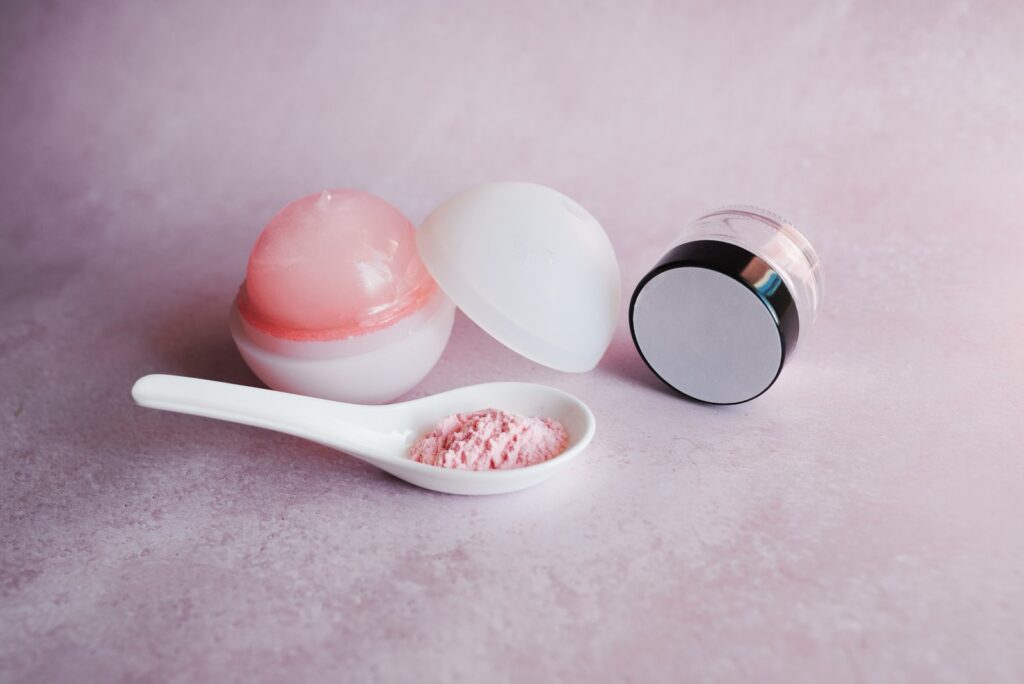
Postbiotic Skincare UK: Why The Microbiome’s Forgotten Half Outperforms Probiotics For Stressed Skin
Postbiotic skincare UK shoppers can now reach for at Boots, Space NK and Cult Beauty has quietly become the most interesting microbiome story on the shelf – and not because it is louder than probiotics, but because it is doing the actual work probiotics get the credit for. The category has been creeping up since late 2025, and after a long winter of central heating, hard tap water and post-cold dehydration, British skin is in exactly the state postbiotics were formulated for. If you have been bouncing between barrier creams and not getting much back, this is the ingredient story worth reading carefully.
In This Article
- Postbiotic skincare UK explained: what is actually in the bottle
- Why this matters for British skin right now
- The science: what postbiotics actually do at the skin barrier
- Postbiotics vs probiotics, prebiotics and the rest
- Postbiotic skincare UK: where to actually find it
- How to use postbiotics without overcomplicating your routine
- Who postbiotic skincare is genuinely for
- The honest caveats
Postbiotic skincare UK explained: what is actually in the bottle
Postbiotics are not bacteria. They are the by-products bacteria leave behind when they eat – fragments of cell wall, fermentation metabolites, peptides, short-chain fatty acids and lysates. In a probiotic skincare product, the live (or formerly live) microbes have to do something on or in your skin once you apply them. In a postbiotic product, the work has already been done in a fermenter, and the active bits are what gets bottled. That is why postbiotics tend to be more stable, more predictable in formulation and less likely to make claims that fall apart at the regulatory level.
The British Skin Foundation has been clear for some time that the skin microbiome is real and matters, while warning that consumer products in this space often overpromise (British Skin Foundation). Postbiotics sidestep some of that overpromise problem because you are not trying to keep a live culture alive in a moisturiser – you are simply delivering known fragments that talk to your own skin’s defence systems.
Why this matters for British skin right now
The UK has a particular set of skin stressors that postbiotics handle well. These are also the conditions that make the cortisol-face theory feel more accurate than it really is, because stressed barriers and stressed lifestyles tend to coincide. Hard water across most of the South East strips the acid mantle. Central heating runs eight months of the year and pulls humidity below 30% indoors. Pollution levels in any major city, plus increasingly aggressive pollen seasons, give the skin barrier a constant low-grade insult. Add a typical British active routine – retinoid two or three nights a week, daily acid exfoliation, vitamin C in the morning – and the barrier rarely gets a quiet day.
That cumulative stress shows up as flushing that lasts an hour after washing, stinging from products that used to be fine, dehydration lines around the mouth and eyes, and the sudden appearance of small bumps that are not classic spots. Postbiotic ingredients – particularly ferment lysates and Lactobacillus-derived peptides – have been shown to dampen the inflammatory signalling that sits underneath all of those symptoms.
The science: what postbiotics actually do at the skin barrier
The skin barrier is not just a wall of dead cells. It is a living conversation between keratinocytes (the cells that make up the top layers), the lipid matrix between them, and the microbial community sitting on top. When that conversation breaks down, the skin produces less of its own ceramides, takes longer to repair micro-tears and overreacts to harmless triggers like fragrance or temperature change.
Three things postbiotics consistently do in published research:
- Calm inflammatory signalling. Lactobacillus and Bifidobacterium ferment lysates have been shown to reduce IL-6 and TNF-alpha activity in skin models. In plain English, they turn the volume down on the alarms your skin is setting off.
- Support ceramide production. Some postbiotic fractions upregulate the enzymes that build the skin’s own lipid mortar, which is why postbiotic moisturisers tend to feel less “empty” once they have absorbed.
- Shift the microbiome composition. Even though no live bacteria are being applied, the metabolic signals from a postbiotic create conditions that favour Staphylococcus epidermidis (a known good guy) over more troublemaking species.
None of this is magic. It is biochemistry that takes four to six weeks to show up in the mirror, which is the same timeline you would expect from a serious barrier rebuild.
Postbiotics vs probiotics, prebiotics and the rest
If you have been confused by the bio-prefix soup on skincare boxes, you are not the only one. Here is the working distinction.
Probiotics in skincare contain live or once-live microorganisms. The honest products use lyophilised (freeze-dried) cultures and tend to come in two-part systems you mix at home. Most jar-and-pump probiotic products on the shelf in the UK contain very few viable cells by the time you open them, which is why postbiotics are increasingly the formulator’s preference.
Prebiotics are food for the microbes – typically inulin, alpha-glucan oligosaccharide or fructooligosaccharides. They feed the good bacteria already on your skin. They work, but slowly, and they need an existing healthy microbiome to act on.
Postbiotics skip the live-microbe problem entirely. They are the end products. Think of probiotics as the cow, prebiotics as the grass, and postbiotics as the milk. The milk is what you actually wanted.
This is a very similar story to the one that has played out around beta-glucan as a quieter alternative to hyaluronic acid – the better-tolerated, less-hyped option ends up doing a lot of the heavy lifting.
Postbiotic skincare UK: where to actually find it
The British market is finally well-stocked. A few things to look for on the back of the box rather than the front:
- Lactobacillus ferment lysate or Lactobacillus/rye flour ferment filtrate – usually in the top six ingredients in any product that takes the claim seriously.
- Bifida ferment lysate – the workhorse ingredient in the well-known SK-II Pitera essence and now in much cheaper alternatives.
- Galactomyces ferment filtrate – the K-beauty staple, very effective on dullness and uneven tone.
- Saccharomyces ferment – a yeast-derived postbiotic that pairs well with niacinamide.
On the high street, Boots stocks postbiotic-led products from The Inkey List, Byoma, Beauty Pie and a growing number of K-beauty brands. Space NK and Cult Beauty carry the more clinical end – Aurelia, Allies of Skin, Tatcha. Mid-range, Beauty of Joseon and Anua (both at Boots and at independent K-beauty retailers) have done more to get fermented Galactomyces into British bathrooms than any premium brand.
Avoid anything that just says “probiotic complex” on the front with no specific ferment named on the back. That is a marketing claim, not an ingredient claim.
How to use postbiotics without overcomplicating your routine
Postbiotics layer well, which is part of their appeal. They do not exfoliate, do not peel, do not photosensitise. You can use them every day, morning and night, alongside almost anything else.
The most useful slot is in step three of your evening routine – after cleansing and any acid or vitamin A treatment, before your moisturiser. A postbiotic essence or serum at that point acts as a recovery buffer for everything you have just put on. In the morning, a lighter postbiotic toner or essence under SPF helps if your skin tends to react to new SPF formulas. The NHS still recommends daily UV protection as the single most evidence-backed thing you can do for your skin (NHS sunscreen guidance) – postbiotics support that, they don’t replace it.
One mistake worth avoiding: do not stack a postbiotic with a probiotic and a prebiotic in the same routine in the hope of compounding the benefit. The skin barrier responds to consistency, not to ten ingredients fighting for the same square centimetre. One well-formulated postbiotic, used twice a day for six weeks, will outperform a complicated layering experiment every time.
Who postbiotic skincare is genuinely for
If your skin is calm, balanced and tolerates anything, you do not need a postbiotic. You probably do not need most of what is on the shelf. But if you fit any of the following, this is the ingredient family to test next:
- Sensitive or reactive skin that flushes from temperature change, alcohol or wind.
- Anyone in a strong actives routine – daily acids, retinoid three or more nights a week – whose skin has started feeling tight or thin.
- Perimenopausal or menopausal skin where oestrogen drop has made the barrier visibly less robust.
- Anyone whose rosacea, eczema or seborrheic dermatitis is triggered by stress and flares predictably.
- Anyone whose diet has shifted recently – more research is emerging on the gut-skin axis, and the same logic applies (you can read about that in our piece on foods for better skin in the UK).
For deeply sensitive skin, postbiotics also pair well with the calming molecules covered in our ectoin skincare guide – the two work on different parts of the inflammatory cascade and reinforce each other rather than competing.
The honest caveats
Postbiotic skincare UK products are not a silver bullet, and there are a few things the marketing tends to leave out. The category is still inconsistently regulated – INCI lists vary wildly in specificity, and “ferment” on a label can mean almost anything. Concentration is rarely disclosed. Some of the most expensive products in the category are mostly water, glycerin and a tiny tail-end percentage of the active ferment.
Patch test on the inner forearm for three days before introducing anything new, particularly if you have a history of yeast-driven sensitivities, since several common postbiotics are yeast-derived. And do not expect overnight changes. The barrier rebuild that postbiotics support takes a full skin cycle – around 28 days – to start showing.
If you have tried a postbiotic and got nowhere, before writing the category off, check whether the product actually had a named ferment in the top half of the ingredients list. If it did not, you were probably testing a marketing concept, not the ingredient.
Which postbiotic product has actually changed your skin – and which one was just expensive water with a clever label?
If you’re stacking postbiotics with device-based routines, our companion piece on red light therapy for skin in the UK covers what evidence currently supports.
Seasonal change affects hair as well as skin. Our guide to spring hair shedding in the UK covers why it happens and when it is worth acting on.